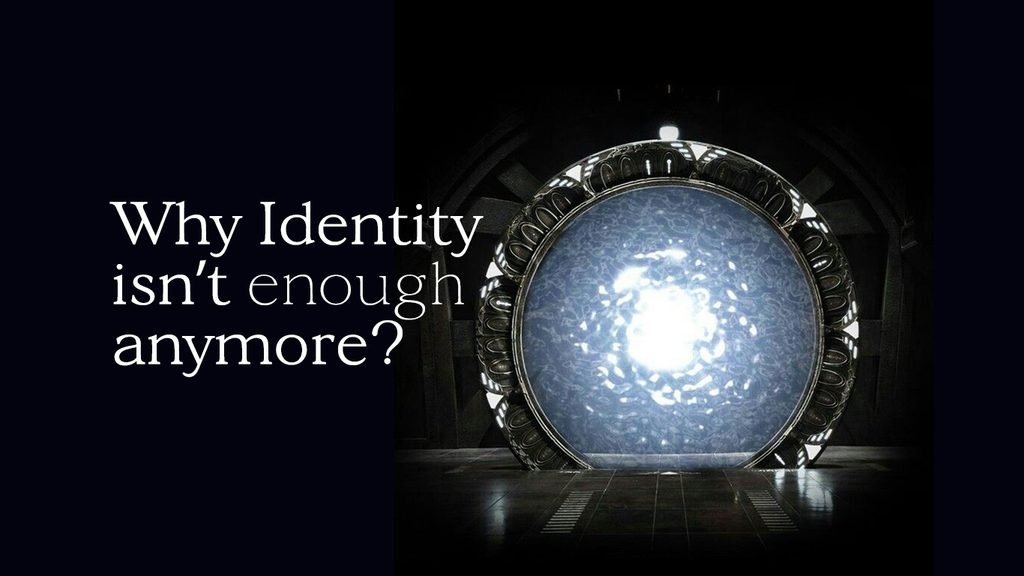
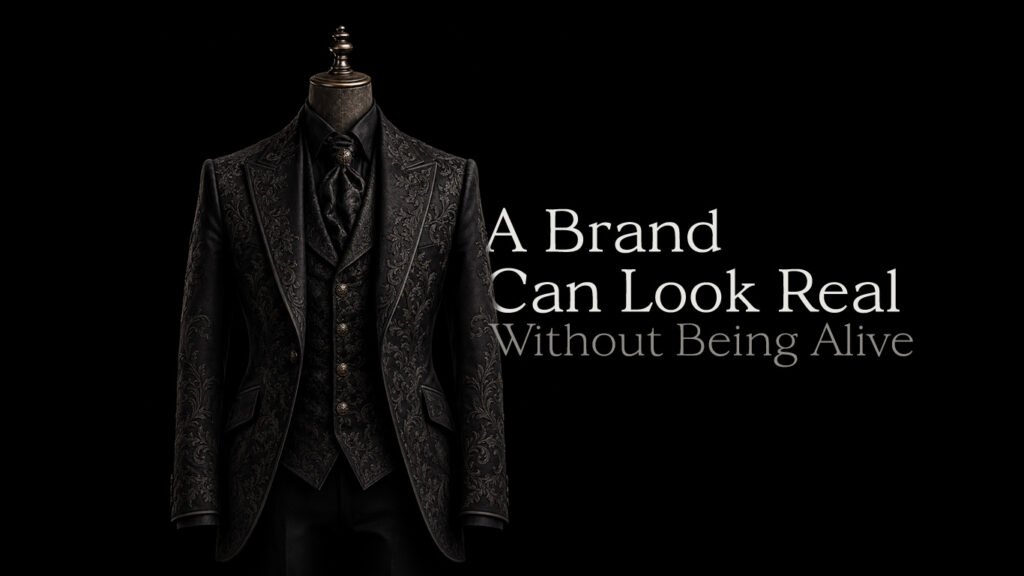
An impeccable appearance is a wonderful beginning. A rather unfortunate place to stop.
A beautiful logo. An exquisite color palette. Typography selected with almost religious devotion. A brand book so elegantly designed that it deserves a place on the coffee table. Everything looks impeccable. And then someone asks a question that isn’t covered in the guidelines.Suddenly, no one knows what to do. An interesting problem, isn’t it?
We spend considerable time defining how a brand should look, sound, and present itself. We describe its personality, select its archetypes, establish its values, and give it an identity that promises to be unmistakable.
But what happens when that personality has to make a decision?
When a customer complains. When an employee faces an unexpected situation. When an opportunity appears that is financially attractive but fundamentally incompatible with everything the brand claims to believe. Does the identity still exist beyond the presentation?
.
Looking the part is not the same as playing it
Visual identity is an extraordinary instrument. It makes ideas tangible, creates recognition, and can communicate complex meanings before a single word is spoken. But there is a peculiar expectation that sometimes accompanies it: once an organization looks like the brand it wants to be, the rest will somehow follow.
As though a beautifully tailored suit could provide the person wearing it with impeccable manners, remarkable intelligence, and excellent judgment. It certainly makes an impression. The rest, I’m afraid, requires a little more work. A brand’s character reveals itself through what it chooses, what it protects, how it treats people, and, perhaps most revealingly, what it refuses to do.
These are not decorative details. They are the decisions that gradually make an identity believable.
.
The invisible work
Building a brand world means investigating the logic that connects those decisions.
It is not enough to declare that an organization is welcoming. We must understand what hospitality means in its particular universe. Nor is it enough to describe a brand as rebellious or disruptive. We must determine which conventions it challenges and which principles it would never be willing to compromise.
Because rebellion without conviction is merely noise. And sophistication without substance is remarkably easy to imitate. The work extends into culture, relationships, language, rituals, services, experiences, and the countless small choices that rarely find their way into a brand presentation. This doesn’t make design less important. Quite the opposite. It gives design something worth expressing.
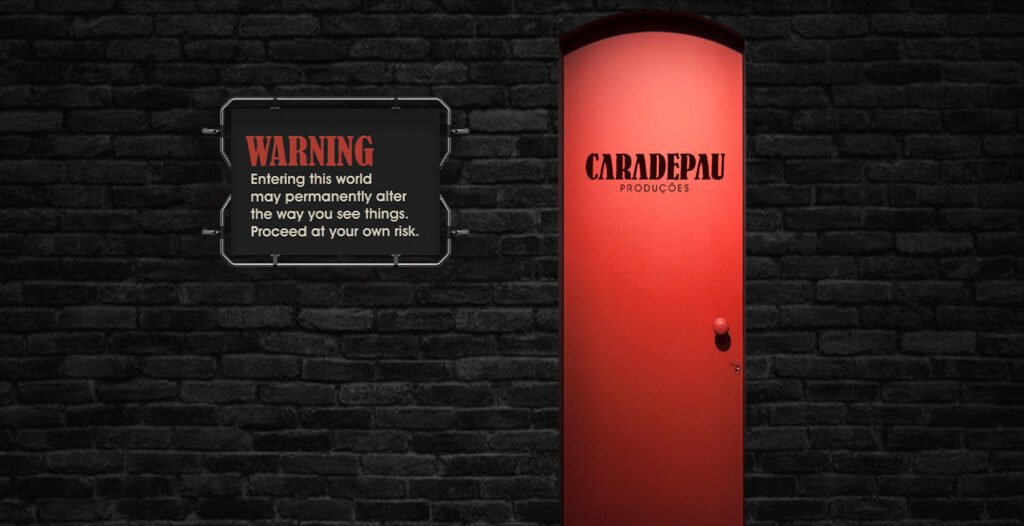
Caradepau Produções | Rebellion is more interesting when it has a reason.
.
An interesting little experiment
Imagine removing the logo, the colors, the typography, and every other visual signature from a brand. Could you still recognize it?
In the way it welcomes someone, resolves a problem, makes a decision, or politely declines an opportunity that doesn’t belong in its world?
If the answer is yes, something interesting has been built beneath the surface. If the answer is no, perhaps the identity is still waiting to become something more than an appearance. After all, looking alive and having a life of your own are two very different things.
.

Brand Strategist • Worldbuilder • Occasional troublemaker
For more than two decades, she has been building brands, worlds, and making sense of things that refused to make sense. She works at the intersection of strategy, narrative, identity and experience. She firmly believes complexity is not the enemy. Unnecessary complexity is. When she is not building worlds, she is probably taking one apart to understand how it works. Founder of Arcane Studio and, apparently, responsible for most of what happens around here.
The rest is classified.